

FDA Compliance & Food Safety
All dietary supplement labels must list a U.S. address or phone number to receive adverse event reports. We serve as your U.S. Agent — our domestic contact goes on your label, we receive consumer reports 24/7, log them, and notify you within one business day so you can fulfill FDA reporting obligations.
What’s included:
U.S. phone number for your label
24/7 receipt of consumer adverse event reports
Documented logging of every report
Notification to you within one business day
Annual renewal reminders for FDA reporting deadlines
Who it’s for:
Dietary supplement brands selling in the U.S. — especially foreign brands and Amazon sellers without a U.S. office.
FAQ:
Is this legally required? Yes. FDA regulations requires every dietary supplement label to display a U.S. address or domestic phone number for adverse event reports.
What’s a “serious adverse event”? Death, life-threatening condition, hospitalization, persistent disability, congenital anomaly, or any event requiring medical intervention.
Who reports to FDA — you or me? You. We log the reports and notify you within one business day. FDA reporting (Form 3500A) is your responsibility, but we provide everything you need to file.
This is an annual subscription. Your card will be charged $499 today and automatically renewed every 12 months at the same price unless you cancel. You can cancel anytime from your account at usimports.us/account. We'll email you a reminder 7 days before each renewal.

FSMA's Intentional Adulteration Rule (21 CFR 121) requires most large food facilities to have a written Food Defense Plan that identifies vulnerabilities and applies mitigation strategies against intentional contamination. We build the plan, run the vulnerability assessment, and document mitigation strategies for FDA inspection readiness.
What's Included:
Vulnerability assessment per FDA's Key Activity Types method
Identification of Actionable Process Steps (APS)
Mitigation strategy development for each APS
Food defense monitoring, corrective action, and verification procedures
Recordkeeping framework and reanalysis triggers
Who It's For:
Food facilities required to comply with the Intentional Adulteration Rule — generally facilities subject to FDA food facility registration that aren't categorized as "very small" (under $10M average annual sales). Very small businesses are exempt from full compliance but often choose to develop a plan voluntarily as best practice.
FAQs:
Q: How is this different from a HACCP Plan?
A: HACCP addresses unintentional hazards (microbial, chemical, physical). Food Defense addresses intentional contamination (sabotage, terrorism, insider threat). Both can be required for the same facility.
Q: Who at my company needs Food Defense training?
A: At minimum, your Food Defense Qualified Individual and any personnel working at Actionable Process Steps.
Q: Does the plan need to be updated periodically?
A: Yes — reanalysis is required every 3 years, after a significant change to your operation, or after a food defense incident. We include reanalysis triggers in the plan.
FSMA's Preventive Controls Rule requires food facilities to have a written Recall Plan in place. Even for facilities exempt from full preventive controls, a recall plan is the cornerstone of FDA's expectation for traceability and rapid response. We build yours in line with FDA's published guidance.
What's Included:
Custom-written Recall Plan tailored to your product, facility, and distribution
Recall classification framework (Class I, II, III) with response triggers
Notification templates (FDA Reportable Food Registry, customers, distributors, public)
Mock-recall exercise checklist to test the plan annually
Lot-coding and traceability recommendations
Recall coordinator role description for your team
Who It's For:
Any food, beverage, or dietary supplement facility distributing in the U.S. — large or small. FDA expects a documented recall plan even when not strictly mandated by your size category. Importers, manufacturers, packers, and warehousers all benefit.
FAQs:
Q: How often should I test the plan?
A: FDA recommends at least one mock recall exercise per year. Our deliverable includes the checklist to run yours.
Q: Does my distributor's recall plan cover me?
A: No. Each entity in the distribution chain needs its own plan. Your distributor's plan covers their internal response, not yours.
Q: Will FDA review my plan?
A: They'll review it during a routine inspection or in response to a complaint. The plan we build is designed to satisfy that review.
A formal documentation package proving that your food product is exempt from FCE-SID filing requirements under 21 CFR 108, 113, or 114. Useful when customs, retailers, or third parties ask whether you're required to file.
What's Included:
Written determination that your product is eligible for an exemption
Professionally formatted Exclusion Certificate (PDF) for sharing with buyers, customs, or auditors
One revision included if product details change within 30 days
Who It's For:
Manufacturers or importers of food products that fall outside FCE-SID jurisdiction — typically fresh products, naturally low-pH foods, or products in non-hermetic packaging — who need formal documentation of the exemption for compliance files or customer requests.
FAQs:
Q: How do I know if I'm exempt?
A: Generally, foods that are not low-acid canned, not acidified by adding acid or fermentation, or not in hermetically sealed containers may be exempt. We review your product details and confirm.
Q: Is this accepted by FDA?
A: FDA doesn't issue exclusion certificates — they're a private compliance document. But the analysis we provide cites the regulatory basis, which is what an FDA inspector or customs official would want to see.
Q: What if I'm uncertain about my exemption status?
A: Order the certificate. If our review determines you actually need to file, we apply the $389 fee toward the FCE-SID Filings service.
Low-Acid Canned Foods (LACF) and Acidified Foods (AF) sold in the U.S. must have a Food Canning Establishment (FCE) number and a Scheduled Identification (SID) on file with FDA. Without both, your product cannot legally enter U.S. commerce. We prepare and submit the full FCE-SID package.
What's Included:
FCE establishment registration (Form FDA 2541)
SID process filing per product (Form FDA 2541e for acidified foods, 2541f for low-acid foods in metal containers, etc.)
Process authority review confirming your thermal process is filed correctly
Confirmation of FDA acceptance and your FCE/SID numbers
Reference documentation for your records, suitable for FDA inspection
Up to 3 product/process filings included; additional product filings $389 each
Who It's For:
Manufacturers of low-acid canned foods (canned vegetables, soups, dairy, meat in hermetically sealed containers) or acidified foods (pickled vegetables, salsas, sauces with acidified pH ≤ 4.6) intended for U.S. sale. Also applies if you import these products and are the responsible importer of record.
FAQs:
Q: Do I need a process authority before filing?
A: Yes — FDA requires the thermal process to be developed or validated by a recognized process authority. We coordinate with your existing process authority or refer you to one if needed.
Q: Does FCE-SID need annual renewal?
A: The FCE establishment registration follows the same biennial cycle as standard FDA food facility registration. SIDs don't expire but must be updated if your process or formulation changes.
Q: What if my product is exempt?
A: Some acidified foods with naturally low pH (e.g., fresh citrus juice, certain fermented products) are exempt. Our FCE-SID Exclusion Certificate service documents the exemption.
A formal authorization letter giving US Imports permission to register your facility (or your manufacturer’s facility) with FDA on your behalf. Required as part of the FDA registration paperwork when a third party submits the registration for you.
What's Included:
Customized Authorization Letter on the facility's behalf
Required language per FDA's third-party registration submission rules
Delivered within 1 business day of order
Ready to upload to FDA's Industry Systems portal as supporting documentation
Editable Word version provided so you can update facility details if they change
Who It's For:
Facility owners or brand owners who are working with US Imports on FDA registration and need the formal authorization letter that goes alongside the registration submission. Most clients add this to a registration order rather than buying it standalone.
FAQs:
Q: Do I need this if I'm registering my own facility directly?
A: No. The authorization letter is only required when a third party (like US Imports) submits the registration on your behalf.
Q: What information do I need to provide?
A: Facility name, address, contact person, and a signature. We send a template; you fill in the blanks and sign.
Q: Is this included in the FDA Registration service?
A: It can be added to your registration order at checkout. We've kept it as a separate SKU for clients who already have a registration in progress and just need the authorization letter.

The Foreign Supplier Verification Program (FSVP) rule requires importers to perform risk-based activities to verify that food brought into the U.S. meets U.S. food safety standards. Foreign importers with no U.S. employees must designate a qualified individual physically located in the United States to carry out those FSVP responsibilities. US Imports serves as that qualified FSVP Agent.
What's Included:
Qualified-individual FSVP Agent service per product (select 1, 2, or 3 products on this page)
Direct point of contact with FDA on your behalf
All FSVP records maintained in the U.S. per 21 CFR 1.510
Annual review of supplier verification activities
Email and phone support for FDA inquiries during the coverage year
Discount pricing for larger product counts — email info@usimports.us for 4+ products
Who It's For:
Foreign importers (no U.S. employees or U.S. office) who must designate a qualified individual physically located in the U.S. to perform FSVP activities. Also a fit for U.S. importers without a qualified individual on staff who'd rather outsource the role than train internally.
FAQs:
Q: What does the variant (1 / 2 / 3 Products) mean?
A: Each "Product" is a distinct food item or product line that requires its own FSVP determination. If you import three different products from the same supplier, that's 3 Products. Pricing scales because the verification work scales with product count.
Q: Can I add more products later?
A: Yes. Email info@usimports.us and we'll quote the incremental addition mid-cycle.
Q: How does this renew?
A: Annual subscription. Same card auto-charged on the anniversary date unless you cancel. Cancel anytime from your account. If you cancel, you must designate a replacement FSVP Agent before service ends — we'll remind you of this when you cancel.
This is an annual subscription. Your card will be charged either $1500/$2495/$3490 (depending on the selected option) today and automatically renewed every 12 months at the same price unless you cancel. You can cancel anytime from your account at usimports.us/account. We'll email you a reminder 7 days before each renewal.
Importing food, beverage, or dietary supplement products to the United States for sale on Amazon but don't know where to start? Our Amazon Sellers Essential Bundle has everything you need to successfully launch your business. One bundled checkout, $187 savings versus buying the four services individually.
What's Included:
FDA Registration & U.S. Agent ($689 value) — required for foreign facilities selling into the U.S.
FDA Label Review — Basic ($649 value) — ensures your label meets FDA mandatory elements
FDA Claims Review ($499 value) — covers one label claim assessment
FDA Prior Notice ($25 value) — required before your first shipment arrives at U.S. ports
Total package value: $1,862 — you pay $1,675 (save $187)
All four services coordinated under one client onboarding
Who It's For:
First-time Amazon FBA sellers shipping food, beverage, or dietary supplements from outside the U.S. into Amazon's fulfillment network. The bundle covers the four FDA touchpoints almost every Amazon seller hits in their first 60 days. Established sellers with FDA registration already in place should buy services individually.
FAQs:
Q: Can I substitute services in the bundle?
A: The bundle is fixed at these four to keep the discount structure simple. If you need a different combination (e.g., FSVP Plan + Label Review), email info@usimports.us for a custom quote.
Q: How long does the full bundle take to complete?
A: FDA Registration is typically 1–2 business days. Label and Claims Review run 5–7 business days. Prior Notice is on-demand when your first shipment is ready. Plan 2 weeks from order to all four deliverables.
Q: Does this include U.S. Agent service?
A: Yes — included in the FDA Registration & U.S. Agent component. The U.S. Agent service is annual; the other three are one-time. If you want continuing U.S. Agent service after Year 1, renew that piece separately.
A Hazard Analysis and Critical Control Points (HACCP) plan is FDA's required food safety framework for juice (21 CFR 120) and seafood (21 CFR 123) products, and best practice for other food categories. We build product-specific HACCP plans with full hazard analysis, CCP identification, monitoring procedures, and verification protocols.
What's Included:
Full hazard analysis (biological, chemical, physical) per product
Critical Control Point (CCP) identification with critical limits
Monitoring procedures with frequency and assigned personnel
Corrective action procedures when CCPs deviate
Verification and validation procedures
Recordkeeping templates suitable for FDA inspection
Choose 1, 2, or 3 distinct product HACCP plans on this page
Who It's For:
Juice manufacturers and processors (mandatory under 21 CFR 120), seafood processors (mandatory under 21 CFR 123), and any other food manufacturer that uses HACCP as their preventive-controls framework. Also commonly required by retail buyers and foreign export markets.
FAQs:
Q: Is HACCP mandatory for my product?
A: Mandatory for juice and seafood. Voluntary but often expected for dairy, meat (USDA jurisdiction), and many other categories — especially if buyers or export markets require it.
Q: What does the variant (1 / 2 / 3 Products) mean?
A: Each "Product" is a distinct food item requiring its own hazard analysis. Variations of one product (e.g., apple juice in different bottle sizes) typically count as one product if they share the same process.
Q: How is this different from the Seafood and Juice Verification Plan?
A: The HACCP Plan is the written program your facility follows. The Seafood and Juice Verification Plan is for importers verifying their foreign suppliers' HACCP compliance under 21 CFR 1.514. Manufacturers buy this; importers of those products buy that.
US Imports makes registering your facility with FDA quick and easy. We can serve as the U.S. Agent for food facilities located outside the United States.
All U.S. and foreign facilities that manufacture, process, pack or store food, beverage or dietary supplements to be consumed in the United States must register with U.S. Food and Drug Administration (FDA). Facilities not located in the United States must appoint a U.S. Agent physically located in the United States to communicate with FDA. Upon registration you will receive a certificate confirming your FDA facility registration number.
What’s included:
FDA Food Facility Registration submission
U.S. Agent designation for foreign facilities
Official FDA-issued registration number
Certificate confirming registration
Ongoing U.S. Agent representation for FDA communications
Who it’s for:
Manufacturers, processors, packers, or storage facilities — U.S. or foreign — that handle food, beverages, or dietary supplements intended for U.S. consumption.
FAQ:
Do I need a U.S. Agent? Only if your facility is outside the United States. Domestic facilities register directly.
How long does registration take? Typically 1–2 business days after we receive your facility information.
Does FDA registration expire? Yes. Renewal is required every even-numbered year (Oct–Dec window).
This is an annual subscription. Your card will be charged $689 today and automatically renewed every 12 months at the same price unless you cancel. You can cancel anytime from your account at usimports.us/account. We'll email you a reminder 7 days before each renewal.

All U.S. facilities that manufacture, process, pack or store food, beverage or dietary supplements to be consumed in the United States must register with U.S. Food and Drug Administration (FDA). We handle the full biennial registration for facilities physically located in the United States.
What you'll get:
Facility registration with the FDA
Confirmation receipt and your FDA Facility Registration Number
Renewal reminder before your next biennial cycle (registrations expire every even-numbered year, Dec 31)
Email support for FDA follow-up questions during the registration window
This service does not include US Imports serving as your U.S. Agent.
Who It’s For:
Food, beverage, or dietary supplement businesses with a manufacturing, processing, packing, or storage facility physically located in the United States. Foreign facilities need our separate "FDA Registration & U.S. Agent" service instead, because they're also required to designate a U.S. Agent.
FAQs:
Q: How long does FDA registration take?
A: We typically submit within 1–2 business days of receiving your facility details. FDA issues the registration number immediately upon successful submission.
Q: Do I need to renew this every year?
A: No. FDA food facility registration is biennial — every two years, between October 1 and December 31 of even-numbered years. We send a renewal reminder before your cycle ends.
Q: What's the difference between this and the Certificate of Registration?
A: This service performs the registration itself. The Certificate of Registration is the physical document confirming you're registered — useful for proving compliance to customs, partners, or buyers. Most clients buy them together.
A formal Certificate of FDA Facility Registration documenting your active registration number, facility classification, and registration period. Often required by U.S. customs brokers, retail buyers, and foreign trade authorities as proof of FDA compliance.
What's Included:
Professionally formatted FDA Facility Registration Certificate (PDF)
Includes your FDA Registration Number, facility name and address, classification codes, and current biennial registration period
Delivered within 2 business days of order
Suitable for sharing with customs brokers, retailers, importers, or foreign regulatory bodies
Re-issuance free of charge if your facility information changes within 12 months of purchase
Who It's For:
Facilities that are already registered with FDA and need a polished, presentation-ready certificate to satisfy a buyer's vendor onboarding, a customs broker's documentation request, or a foreign customer's import paperwork. If you haven't registered yet, buy "FDA Registration & U.S. Agent" (for foreign facilities) or "FDA Registration for U.S. Facility" first.
FAQs:
Q: Will FDA itself issue this certificate?
A: No — FDA does not issue physical certificates. They confirm registration electronically. Our certificate is a professionally formatted document that summarizes your FDA-confirmed registration information in a format buyers and customs officials recognize.
Q: Is this required to import?
A: Not by FDA, but many U.S. importers, retailers, and customs brokers ask for it as part of their compliance file. Foreign regulatory authorities sometimes request it for export documentation.
Q: How long is the certificate valid?
A: For your current biennial registration period (until Dec 31 of the next even year). We'll send a renewal reminder when your underlying registration is up for renewal.

The Foreign Supplier Verification Program (FSVP) rule requires every U.S. food and dietary supplement importer to develop, maintain, and follow an FSVP Plan. Products without an adequate FSVP Plan can be refused entry at U.S. ports. We build your plan from the ground up, customized to your products and suppliers.
What's Included:
Custom-built FSVP Plan tailored to your product and supplier(s)
Foreign supplier hazard analysis and risk evaluation
Supplier verification activity recommendations (on-site audit, sampling, records review — whichever matches your risk profile)
Corrective-action procedures documented per FSMA requirements
Records retention guidance for FDA inspection readiness
One round of revisions included after your review
Who It's For:
U.S. importers of human food, beverage, or dietary supplements sourcing from foreign suppliers. FSVP applies regardless of company size. If you import food into the U.S. for resale, you almost certainly need a plan.
FAQs:
Q: How is FSVP Plan different from FSVP Agent?
A: The Plan is the written program. The Agent is the qualified individual responsible for performing the FSVP activities in the U.S. — many importers without a U.S. presence buy both. The Plan is the document; the Agent is the human implementation.
Q: How long does it take to build a plan?
A: Typically 2–3 weeks from intake to final deliverable, depending on how many suppliers and product categories are involved.
Q: Does FDA approve my FSVP Plan?
A: No. FDA doesn't pre-approve plans. You must develop, maintain, and follow your plan; FDA inspects it on demand.

U.S. importers of seafood and juice products must verify that their foreign suppliers operate under an FDA-compliant HACCP system. This is a specialized FSVP requirement under 21 CFR 1.514 — distinct from the standard FSVP Plan. We build the verification plan covering supplier audits, records review, and ongoing monitoring.
What's Included:
Importer's verification plan per 21 CFR 1.514 (seafood) or 21 CFR 1.514 (juice)
Foreign supplier HACCP review and gap analysis
On-site or remote audit framework for supplier facilities
Records review and sampling protocols
Corrective-action procedures when supplier non-compliance is identified
Choose 1, 2, or 3 distinct seafood or juice products on this page
Who It's For:
U.S. importers of seafood (fresh, frozen, processed) or juice products sourced from foreign suppliers. This is a mandatory subset of FSVP for these two product categories — standard FSVP isn't sufficient on its own for seafood or juice.
FAQs:
Q: Why do seafood and juice have their own rule?
A: FDA promulgated HACCP rules for seafood (1995) and juice (2001) before FSVP existed. Those HACCP rules carry their own importer verification requirements that FSVP doesn't replace.
Q: Do I still need a regular FSVP Plan?
A: If you import only seafood or only juice, this plan satisfies your FSVP obligation for those products. If you import other food categories alongside, you'll need a separate FSVP Plan for those.
Q: Can my foreign supplier's HACCP plan substitute for this?
A: No — your supplier's HACCP plan is their compliance document. As the U.S. importer, you have a separate obligation to verify their compliance, which is what this plan documents.
Labeling

A deeper FDA label review with written rationale for every suggested revision, expert-level nutrition/supplement facts analysis, and a detailed action-point report. The Expert tier is for clients who want a defensible compliance record.
What's Included:
Everything in FDA Label Review — Basic, plus:
Detailed action-point report with prioritized fixes
Deeper ingredient review
Expert-level nutrition or supplement facts panel analysis (including rounding rules, daily value calculations, allergen disclosure)
Written rationale for each suggested revision
Additional review with revisions within 30 days of purchase
Choose 1, 2, or 3 labels of similar product on this page
Who It's For:
Any brand where labeling errors carry higher stakes . Also a fit for importers or retail buyers who require an expert review on file.
FAQs:
Q: How is Expert different from Basic?
A: Basic confirms your label meets FDA's mandatory elements and flags obvious compliance issues. Expert adds CFR-cited written rationale for each revision, deeper ingredient/claim analysis, and a prioritized action-point report.
Q: What does "1 / 2 / 3 Labels" mean?
A: Each label is one distinct product label. Variations of one product (e.g., different sizes of the same flavor with same ingredient panel) count as one label. Different flavors, varieties, or formulations are separate labels.
Q: Do I need a separate Claims Review?
A: Expert Label Review does not cover claims that are part of the label being reviewed. If you make claims on your label or have standalone claims, marketing materials, or website language to review, the FDA Claims Review service is the right fit.
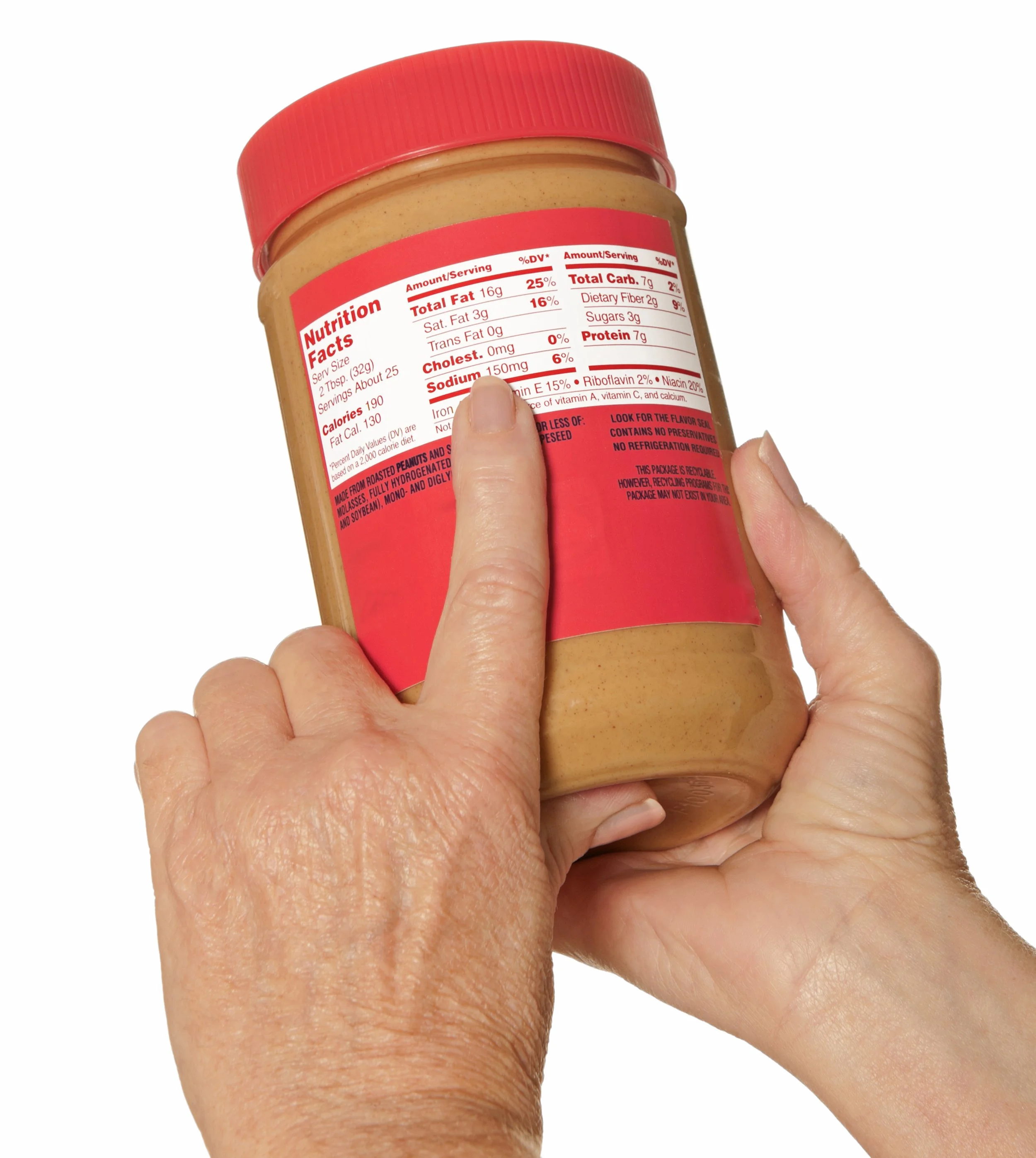
Labeling mistakes are a top reason for detention at U.S. ports. Our specialists review your label for FDA compliance and provide a detailed markup with action points. Includes one re-review.All imported foods and dietary supplement labels must be in English and comply with FDA labeling requirements. Our food labeling specialists review your label for FDA compliance and provide you a detailed list of suggested changes along with a complete markup of your label. We also include one additional review of your label as part of our labeling review service.
What’s included:
A comprehensive review of the label for FDA compliance and a detailed report with action points covering:
Statement of Identity
Net Quantity Statement
Ingredient List
Manufacturer / Importer Information
Country of Origin
Allergen Statement
Nutrition or Supplemental Facts (present or not)
Who it’s for:
Food, beverage, and dietary supplement importers preparing labels for the U.S. market.
FAQ:
Basic vs. Expert review — which do I need? Basic confirms required FDA label elements are present and correct. Expert adds ingredient review, detailed nutrition/supplemental facts review, and suggested revisions. Choose Expert if you want us to rewrite, not just check.
Do I get a marked-up label back? Yes. You receive a detailed report with action points plus a complete markup of your label.
Multi-label discount? Yes — 2 labels $1,098, 3 labels $1,647 (roughly 15% off when bundled).
Labeling claims must comply with FDA regulations or your product will be considered misbranded and denied entry. Our specialists review your claims and offer alternative wording to maintain FDA compliance — nutrient content, organic, health, and other regulated claims. Food and dietary supplement importers should ensure they thoroughly understand FDA regulations before making claims on product labels. Claims not complying with U.S. law result in a product being considered misbranded — subject to FDA enforcement and private-party false advertising lawsuits. A claim is any representation made about a product on the label, website, flyer, or even social media.
What’s included:
Our specialists can review your claims and offer alternative suggestions to maintain FDA compliance, including:
Nutrient content claims
Organic claims
Health claims
Other regulated claims (natural, fresh, non-GMO, gluten-free, etc.)
And more
Some claims are pre-approved by FDA regulations; others are permissible so long as they are truthful and not misleading. Knowing which rules apply before making claims can help you avoid costly mistakes before shipping to the U.S.
Who it’s for:
Food and dietary supplement brands making marketing claims on packaging, websites, or advertising.
FAQ:
What counts as a “claim”? Any representation about the product — on label, website, flyer, social media, or advertising.
What happens if my claim isn’t compliant? The product is considered misbranded. FDA can detain or refuse entry, and you may face false-advertising lawsuits.
Will you rewrite my claim? Yes — we offer alternative wording that achieves your marketing goal while staying FDA-compliant.
Business Registration
A federal Employer Identification Number (EIN) is issued by the IRS and required to open a U.S. bank account, hire employees, file U.S. tax returns, or import goods into the U.S. as a business entity. We handle the SS-4 application — including the international/foreign-entity version when needed.
What's Included:
IRS Form SS-4 EIN application prepared on your behalf
Submission via the correct IRS channel (online for U.S. entities; fax/mail for foreign entities)
Delivery of your EIN within 1–4 weeks (1 business day for online-eligible applicants)
Reference documentation explaining how to use the EIN with FDA, customs, and banking
One-time service — EIN Numbers don't expire
Who It's For:
Foreign companies establishing a U.S. importing operation, new U.S. businesses without a tax ID, sole proprietors transitioning to LLC/corporation status, and any business required to file U.S. tax forms. Existing U.S. businesses with an EIN already do not need a new one.
FAQs:
Q: Isn't EIN application free directly from the IRS?
A: Yes — but the process for foreign applicants (no SSN/ITIN) requires faxing or mailing Form SS-4 and waiting 4+ weeks, often with rejections for formatting issues. We handle it correctly the first time.
Q: Do I need an EIN to import to the U.S.?
A: If you're importing as a business entity (LLC, corporation, partnership) rather than as an individual, yes. U.S. customs requires a tax identifier on import paperwork.
Q: How is EIN different from DUNS?
A: EIN is the IRS tax identifier. DUNS is a D&B business identifier. They serve different purposes — most importers need both.

A Data Universal Numbering System (DUNS) Number is a unique 9-digit identifier issued by Dun & Bradstreet. Required for FDA's Unique Facility Identifier (UFI) and frequently requested by U.S. customs, retail buyers, and federal contracting. We handle the application and follow-up on your behalf.
What's Included:
Full D&B DUNS Number application submission
Coordination with D&B for any clarification requests
Delivery of your assigned DUNS Number
One-time service — DUNS Numbers don't expire
Reference documentation suitable for FDA submission or buyer onboarding
Who It's For:
Importers, manufacturers, and businesses that need a DUNS Number for FDA registration (as Unique Facility Identifier), federal contracting (SAM.gov), retailer onboarding (Walmart, Amazon, etc.), or international trade documentation. If you've already been assigned one in the past, you don't need a new one.
FAQs:
Q: Isn't a DUNS Number free directly from D&B?
A: D&B does offer a free DUNS Number application, but the process can take 30+ business days and requires several rounds of clarification.
Q: Do I need a DUNS Number to register with FDA?
A: As of October 2020, FDA requires a Unique Facility Identifier (UFI) at registration. DUNS is the ONLY UFI the FDA accepts. If you're missing one, we'll need to obtain it before completing your FDA registration.
Q: Does a DUNS Number expire?
A: No. Once issued, it's permanent. D&B may periodically request updated business info, but the number itself doesn't expire.
Export
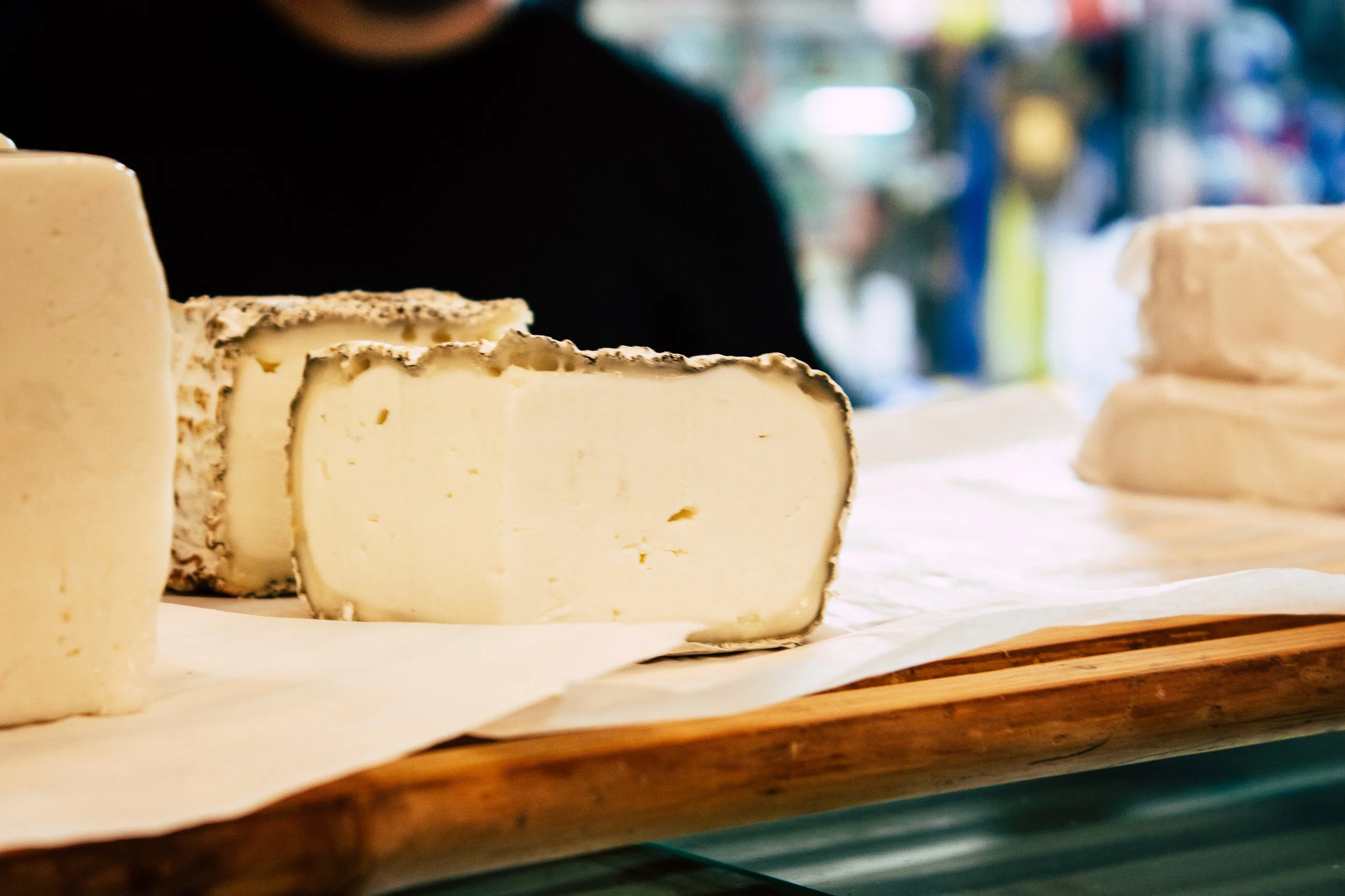
Certain countries require U.S. exporters to be listed on FDA's official export list before they'll accept shipments of dairy, seafood, infant formula, collagen, or gelatin products. US Imports specialists prepare and file your petition with FDA to be included on the Export Listing Module (ELM), so your products can clear customs in destination markets that mandate the listing.
What's Included:
Full petition preparation for inclusion on FDA's Export Listing Module (ELM)
Verification of your facility's eligibility for the product category (dairy, seafood, infant formula, collagen, or gelatin)
Compilation of supporting documentation per FDA and destination-country requirements
Submission via FDA's Export Listing system and direct follow-up with FDA reviewers
Confirmation of your listing on the ELM and reference documentation for your export files
Email support for FDA clarification requests during the review window
Who It's For: U.S. manufacturers and exporters of dairy, seafood, infant formula, collagen, or gelatin products shipping to countries that require FDA export listing as a condition of import. Common destinations include China, the EU, and several Latin American and Asian markets. If your destination country accepts a standard Export Certificate instead, our Export Certificate for Food or Supplements service is the right fit.
FAQs:
Q: How long does the ELM petition process take?
A: We typically submit within 5–7 business days of receiving your facility and product details. FDA review timelines vary by product category — dairy and seafood petitions are usually processed within 30–60 days; infant formula can take longer. We track the petition and update you at each stage.
Q: Which countries require ELM listing?
A: It varies by product category and destination. China requires it for dairy, seafood, and infant formula. The EU requires it for certain seafood and dairy. Other markets impose category-specific requirements. We confirm your destination's requirements during intake.
Q: How is this different from an Export Certificate?
A: An Export Certificate (CFG or CFS) is a per-product or per-shipment document attesting that your product can be legally sold in the U.S. ELM listing is a facility-level inclusion on FDA's official exporter list — required before certain countries will accept any shipment from your facility. Many exporters need both.
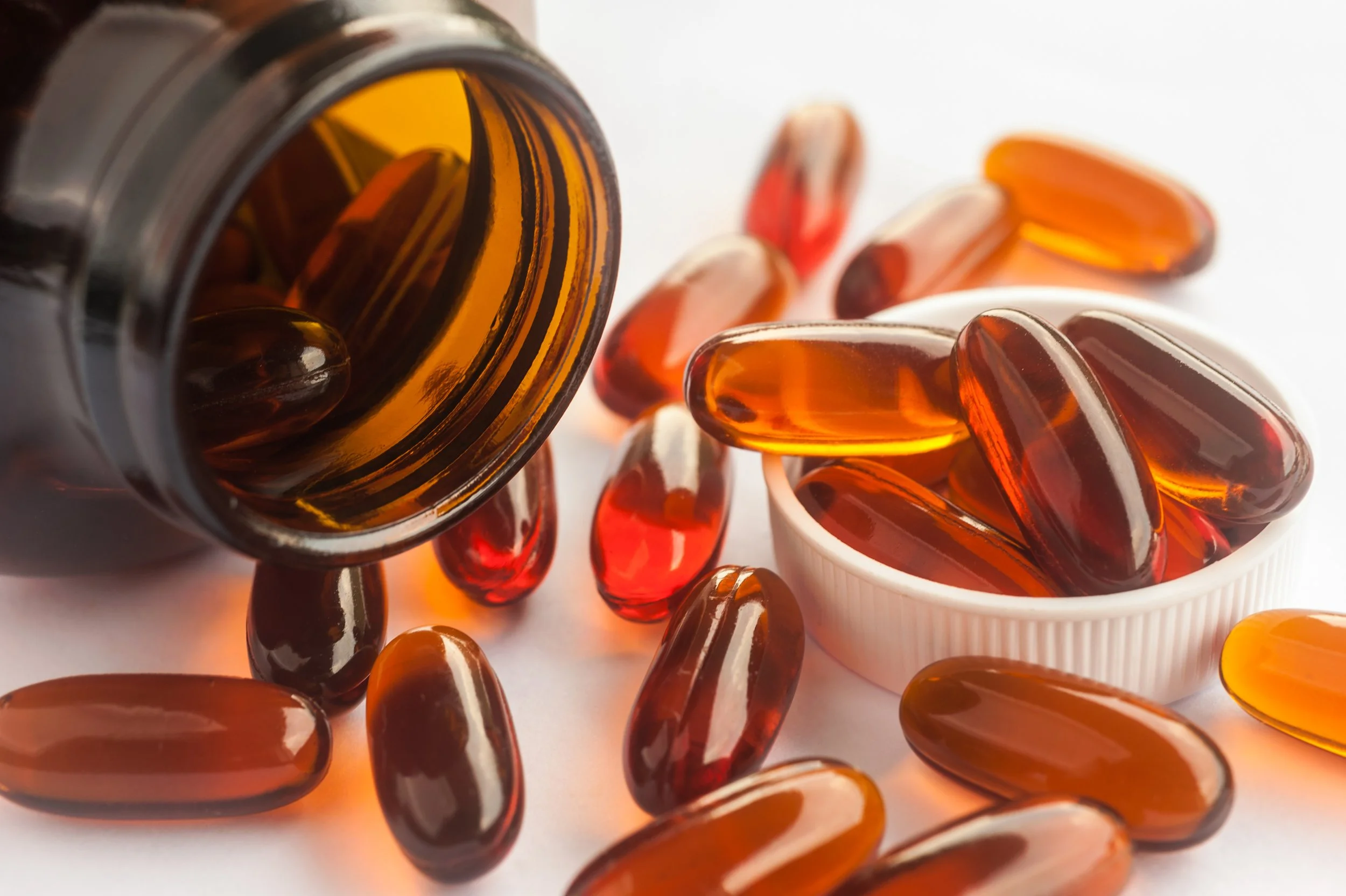
Foreign governments importing U.S. dietary supplements typically require an FDA Export Certificate. The process and form differ from conventional food — supplements use FDA's dietary supplement export channel. We handle the full request on your behalf.
What's Included:
Dietary supplement export certificate request preparation
Submission via FDA's supplement export certification system
Coordination with FDA for clarification on product formulation or claims
Delivered within 10–15 business days from FDA acceptance
Reference copy for your records
Who It's For:
U.S. dietary supplement manufacturers or exporters whose foreign buyers or destination-country regulators require an FDA-issued export certificate. Common in markets that distinguish supplements from conventional food (most of Europe, parts of Asia, and Latin America).
FAQs:
Q: Why is the supplements process different from food?
A: FDA regulates supplements under DSHEA, which has different labeling and structure-function claim rules than conventional food. Export certificates reflect that regulatory distinction.
Q: My product is a "functional food" — which certificate do I need?
A: Depends on FDA's classification. If your label uses "Supplement Facts" and structure-function claims, it's a supplement. If it uses "Nutrition Facts" and only general food claims, it's conventional food. We confirm during intake.
Q: Can I get certificates for multiple products in one order?
A: Each product requires its own certificate. Email info@usimports.us for multi-product pricing.
Foreign governments often require an FDA Export Certificate (also called a "Certificate to Foreign Government" or CFG) before allowing a U.S. food product to enter their market. We obtain the certificate from FDA on your behalf, including coordination with the destination country's specific format requirements.
What's Included:
FDA Form 3613 (Certificate of Free Sale) or Certificate to Foreign Government request preparation
Submission via FDA's export certification system
Coordination with FDA's Export Certification team for clarification
Delivered within 10–15 business days from FDA acceptance
Reference copy for your records
Who It's For:
U.S. food manufacturers or exporters whose foreign buyers or destination-country regulators require an FDA-issued export certificate. Common in markets like the EU, Middle East, Latin America, and parts of Asia. Some countries accept private certificates of free sale instead — we'll advise during intake.
FAQs:
Q: What's the difference between a Certificate to Foreign Government (CFG) and a Certificate of Free Sale (CFS)?
A: CFG certifies that the product can be legally sold in the U.S. CFS specifically certifies free commercial sale and is typically used by countries with stricter import rules. We determine which one your destination requires.
Q: Does the certificate apply to one shipment or to the product generally?
A: The certificate attests to the product's regulatory status in the U.S. — it doesn't expire per shipment. However, many countries want a recent certificate (within 6–12 months) for each new buyer or registration.
Q: How is this different from the Supplements version?
A: FDA's certification process differs between conventional food and dietary supplements. We use the right form and channel for each. Pick the one matching your product category.
All food shipments to the U.S. require Prior Notice filed with FDA before arrival. Late or missing filings cause holds, delays, and re-export costs. We file your Prior Notice fast and provide your FDA-issued PN number. One re-filing included if FDA requests corrections.All exporters of food products are required to provide the FDA with prior notification of arriving shipments. Prior Notice must be filed before goods arrive at a U.S. port — late or missing filings cause holds, delays, and re-export costs. US Imports files Prior Notice on your behalf, fast.
What’s included:
Prior Notice filing with FDA before shipment arrival
Confirmation receipt with FDA-issued PIN number
Re-filing if FDA rejects or requests corrections (one round)
Who it’s for:
Anyone exporting food, beverage, or dietary supplements to the United States — required per shipment.
FAQ:
When do I need to file? Before the shipment arrives at a U.S. port. Timing depends on mode: 2 hours for road, 4 hours for air/rail, 8 hours for water.
What info do I need to submit? Shipment details (carrier, port of entry, arrival date), product info (FDA registration #, manufacturer, product description), and importer of record.
Can I get bulk pricing for high-volume shipments? Yes — contact us for monthly retainer pricing if filing 10+ per month.